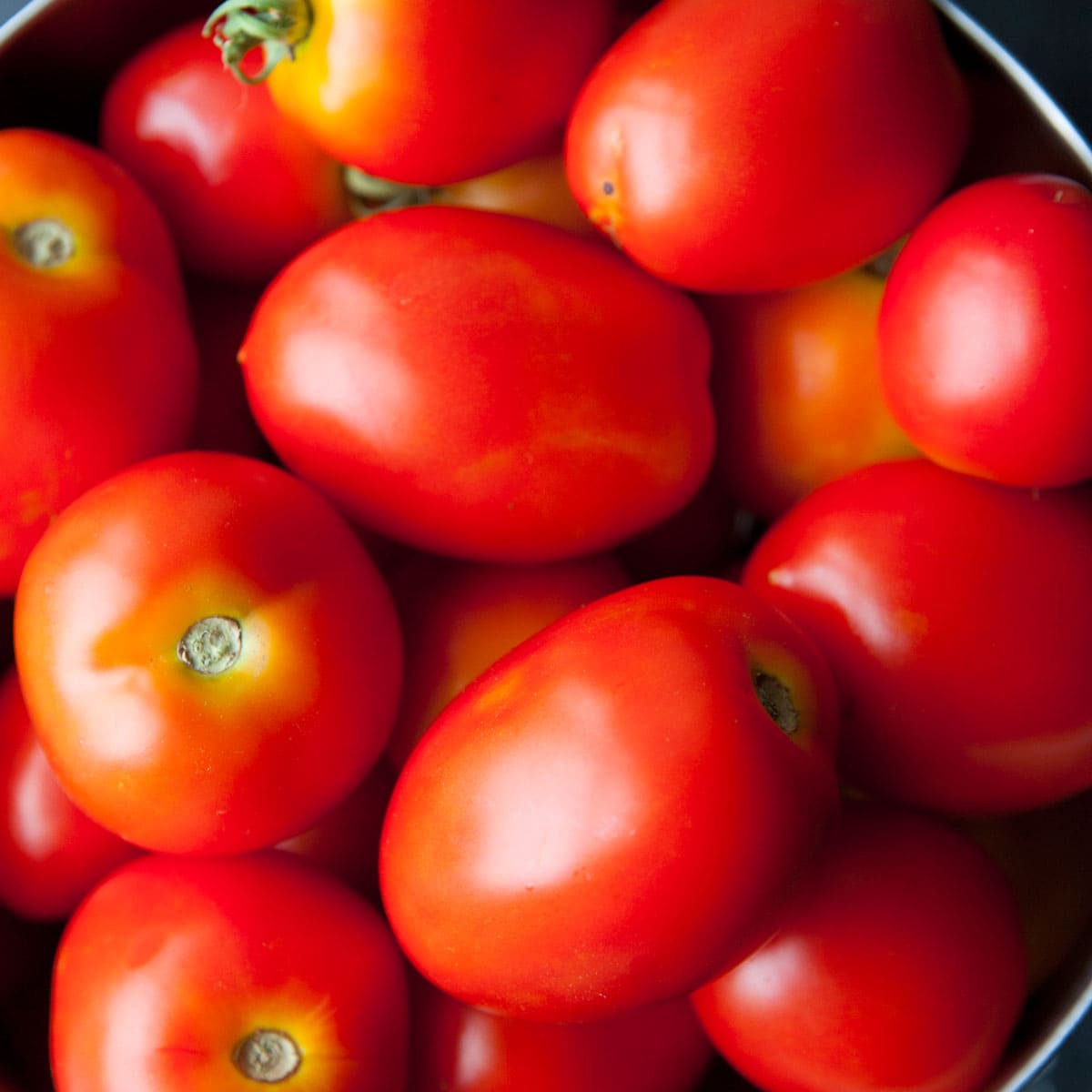
The vibrant taste of garden-fresh tomatoes is a culinary delight, a true highlight of summer's bounty. Whether you're a seasoned gardener facing an overwhelming harvest or simply stocking up on peak-season deals, the challenge often lies in preserving this fleeting freshness. Fortunately, there's a remarkably simple and effective solution that allows you to capture that sun-ripened flavor: freezing tomatoes for year-round use. Forget complicated canning processes; freezing offers unparalleled ease and convenience, making it the preferred method for many home cooks.
This comprehensive guide will walk you through everything you need to know about freezing tomatoes, ensuring you can enjoy their deliciousness in your favorite dishes, from hearty stews and rich sauces to comforting soups, long after summer has faded.
Why Freezing Tomatoes is Your Kitchen's Secret Weapon
Tomatoes are incredibly versatile, forming the base of countless delicious recipes. Their high water content might make you think twice about freezing, but in reality, it makes them perfectly suited for it! Freezing them is not just about preventing waste; it's about intelligent meal prep and ensuring quality ingredients are always on hand. Here’s why it’s a game-changer:
- Preservation Power: Extend the life of your fresh tomatoes from days to many months, locking in their peak flavor and nutritional value.
- Uncompromised Flavor: Unlike some preservation methods that can alter taste, freezing maintains the fresh, vibrant flavor of your tomatoes, ready to infuse your winter dishes with a taste of summer.
- Ultimate Convenience: Having pre-prepped tomatoes in your freezer drastically cuts down cooking time for future meals. No last-minute runs to the grocery store!
- Cost-Effective & Sustainable: Preserve homegrown produce or take advantage of seasonal sales, reducing food waste and saving money in the long run.
- Nutrient Retention: Freezing helps retain the beneficial vitamins, minerals, and antioxidants that make tomatoes such a healthy addition to your diet.
It's an easy, accessible method that requires minimal equipment, making freezing tomatoes for year-round use a smart move for any kitchen.
Essential Preparation for Freezing Tomatoes
Before your tomatoes hit the frosty depths of the freezer, a little preparation goes a long way to ensure quality and convenience. The beauty here is its simplicity.
Washing is Paramount (But Gentle)
Regardless of how you plan to freeze your tomatoes, the first step is always a thorough wash. Rinse them under cool, running water to remove any dirt, garden debris, or pesticide residue. It's crucial to be gentle and avoid using any soaps, detergents, or even strong vinegar solutions directly on their thin skins. Tomatoes can easily absorb these substances, which could impart an undesirable flavor or affect their edibility. If you must use a cleaning agent, dilute it heavily and rinse immediately and thoroughly to minimize any transfer. Remember, they can also absorb substances through their stem scar, so pay attention to that area.
After washing, dry them completely. Excess moisture can lead to ice crystals and freezer burn, compromising the quality of your frozen produce.
To Core or Not to Core?
While you can freeze tomatoes whole with their stems intact, it's generally recommended to remove the stem, the tough stem scar, and core them before freezing. This step, though seemingly small, offers significant convenience down the line. It ensures that when you're ready to use them, you don't have to wrestle with an icy core. Perform this task over a bowl to catch any valuable juices that might escape; these can be added to your frozen tomatoes or used immediately in another dish.
Whole, Diced, or Sliced: Tailoring Your Frozen Tomatoes
One of the most appealing aspects of freezing tomatoes for year-round use is the flexibility it offers in how you prepare them. There's no single "best" way; the ideal method depends on how you envision using them later.
The "Whole Tomato" Method
This is arguably the quickest and easiest method, perfect for large harvests or when time is of the essence. After washing and drying, simply place the whole, firm, ripe tomatoes (medium to large sizes work best for this method) on a baking sheet lined with parchment paper. Ensure they aren't touching each other. This "flash freezing" step prevents them from sticking together, allowing you to grab just one or two as needed later. Once solid (typically a few hours), transfer them to freezer-safe bags or containers, squeezing out as much air as possible to prevent freezer burn. They will become quite soft and mushy once thawed, making them ideal for sauces, soups, and stews where texture isn't paramount. For a detailed guide on this simple method, check out No Blanching Needed: Simple Steps to Freeze Tomatoes.
Diced, Sliced, or Chopped for Convenience
If you prefer your tomatoes to be ready-to-go for specific recipes, pre-dicing, slicing, or chopping them before freezing is an excellent option. This saves you time and effort when you're ready to cook, as the thawed tomatoes will already be in the shape you desire. Simply core and cut them into your preferred pieces. You can then flash freeze them on a baking sheet before transferring to storage bags, or if you plan to use them in bulk (e.g., a whole bag for a large batch of marinara), you can skip the flash freezing and place them directly into bags or containers. Be aware that once tomatoes are frozen while touching, their high water content makes them almost impossible to separate until thawed.
Mashed or Pureed for Instant Sauce Bases
For ultimate convenience, consider processing your fresh tomatoes into a mash or puree before freezing. This not only saves valuable freezer space but also provides you with an instant base for sauces, chilis, or soups. Simply wash, core, and then blend or mash your tomatoes to your desired consistency. You can even simmer them briefly to reduce moisture and intensify flavor before freezing. Pour the puree into freezer bags, laying them flat to freeze for easy stacking, or into ice cube trays for smaller, individual portions.
The Blanching Dilemma: To Peel or Not To Peel?
A common question arises regarding whether to peel tomatoes before freezing. The good news is, it's entirely up to your personal preference and intended use.
Freezing Tomatoes Without Blanching: The Easiest Route
As mentioned, you absolutely do not need to blanch or peel tomatoes before freezing them. They freeze perfectly fine with their skins on. The biggest advantage of this method is the time and effort saved during the initial preparation. What's more, once a frozen tomato thaws, its internal structure breaks down, making the skin incredibly easy to slip off. So, if your recipe requires peeled tomatoes, you can simply remove the skin after thawing. This is often easier than peeling them when they are firm and fresh. This no-blanching approach is ideal for those who prioritize speed and simplicity when preserving their harvest.
The Case for Pre-Peeling (Blanching Method)
While not strictly necessary, some home cooks prefer to peel their tomatoes before freezing, often through a process called blanching. This method ensures that when you pull your tomatoes out of the freezer, they are immediately ready for recipes that call for peeled tomatoes, saving you a step during the cooking process. To blanch and peel:
- After washing and drying, cut a small 'X' into the bottom skin of each tomato.
- Bring a pot of water to a rolling boil.
- Carefully immerse the tomatoes in the boiling water for 30 seconds to 1 minute, or until the skins just begin to split.
- Immediately transfer the blanched tomatoes to an ice bath (a bowl of ice water) to stop the cooking process.
- Once cool enough to handle, the skins will easily slip off.
This method adds an extra step upfront but can be beneficial if you consistently need peeled tomatoes for specific dishes and prefer to get the work done all at once. To explore more comprehensive strategies for extending your tomato enjoyment, read Freeze Tomatoes Year-Round: Enjoy Fresh Flavor Anytime.
Smart Storage for Long-Term Freshness
Once your tomatoes are prepared and frozen, proper storage is key to maintaining their quality and ensuring they remain delicious for months.
Choosing the Right Containers
- Freezer Bags: These are excellent for whole, diced, or pureed tomatoes. Be sure to press out as much air as possible before sealing to prevent freezer burn. For purees or crushed tomatoes, freezing them flat in bags allows for easy stacking and quicker thawing.
- Airtight Containers: Durable plastic or glass containers with tight-fitting lids are great for bulk storage of diced or whole tomatoes. Leave a little headspace (about an inch) if freezing liquids, as they expand when frozen.
- Glass Jars: Mason jars can be used, but again, remember to leave adequate headspace to prevent cracking.
Labeling and Organization
Always label your containers or bags with the date and contents (e.g., "Diced Tomatoes - August 2023"). This simple step helps you keep track of your inventory and ensures you use older items first (the "First In, First Out" principle), preventing food from lingering too long in the freezer. While frozen tomatoes can last for up to a year, their quality is best within 6-8 months.
Maximizing Freezer Space
If space is a concern, consider freezing pureed or crushed tomatoes in flat freezer bags. They can be stacked like books, optimizing vertical space. For individually frozen items, rectangular containers often make better use of space than irregularly shaped bags.
Embracing the practice of freezing tomatoes for year-round use is a simple yet powerful way to elevate your home cooking. It’s an accessible, efficient method that preserves the peak flavor of summer’s harvest, allowing you to enjoy vibrant, delicious tomatoes in your meals no matter the season. From whole tomatoes ready for a quick sauce to pre-diced pieces for a hearty chili, the freezer is your best friend in fighting food waste and ensuring a pantry always stocked with garden-fresh goodness. So, next time you find yourself with an abundance of ripe tomatoes, skip the complexity and embrace the simplicity of freezing – your future self (and taste buds) will thank you!
