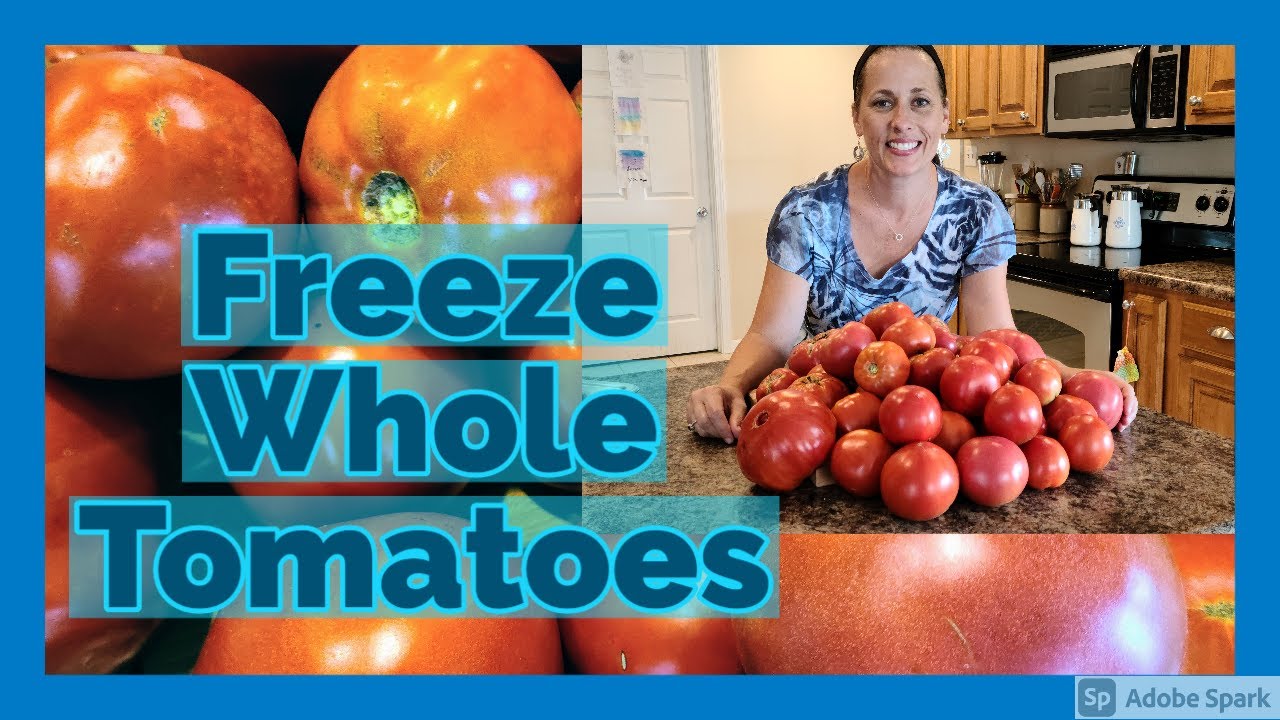
No Blanching Needed: Simple Steps to Freeze Tomatoes for Year-Round Use
As the summer sun ripens gardens and local markets burst with vibrant, juicy tomatoes, many home cooks find themselves with an embarrassment of riches. While fresh tomatoes are a joy, their peak season is fleeting. The desire to capture that fresh, sun-kissed flavor for colder months often leads people to consider various preservation methods. Among these, freezing stands out as one of the simplest and most effective ways to ensure you have ripe, flavorful tomatoes on hand for year-round use. And the best part? You absolutely don't need to blanch them! This guide will walk you through the surprisingly easy steps to freeze tomatoes, preserving their essence without the extra fuss.
Why Freezing Tomatoes is a Game-Changer for Your Kitchen
Tomatoes are a cornerstone of countless culinary traditions, offering unparalleled versatility, a delightful balance of sweet and acidic flavors, and a bounty of nutritional benefits. From rich pasta sauces and hearty chilis to comforting stews and vibrant salsas, their presence elevates any dish. However, when tomatoes are abundant, they often ripen faster than they can be consumed, leading to potential waste.
This is where freezing becomes an invaluable kitchen technique. By preserving your harvest, you can:
- Prevent Waste: Make the most of your garden's bounty or farmers' market finds.
- Enjoy Peak Flavor Year-Round: Lock in the fresh, bright taste of in-season tomatoes, far superior to many store-bought canned varieties.
- Save Time & Money: Having prepped tomatoes ready to go streamlines meal preparation and avoids expensive off-season purchases.
- Maintain Nutritional Value: Freezing helps retain the vitamins, minerals, and antioxidants that make tomatoes so healthy.
Unlike canning, which can be time-consuming and requires specialized equipment, freezing tomatoes is incredibly straightforward, making it an ideal method for beginners and seasoned preservers alike.
The Easiest Method: Freezing Tomatoes Without Blanching
Many traditional preservation guides suggest blanching tomatoes – briefly boiling them before plunging them into ice water – as a preliminary step. This process is typically recommended to make peeling easier or to inactivate enzymes that can degrade quality over time. However, when it comes to freezing tomatoes for year-round use, particularly for cooked applications, blanching is often an unnecessary extra step. The beauty of freezing is its simplicity; once washed and dried, tomatoes are ready to go into the freezer.
The truth is, once frozen and thawed, tomatoes lose their firm structure and become quite soft and mushy. This change in texture makes them perfect for cooking, where they will break down anyway. Furthermore, the skins, which are the primary reason people blanch, will slip off effortlessly once a frozen tomato has been briefly thawed, completely negating the need for pre-peeling. This "no blanching needed" approach saves a significant amount of time and effort, making fresh tomato preservation accessible to everyone.
Step-by-Step Guide: How to Freeze Tomatoes (No Blanching Required)
Freezing tomatoes is remarkably simple, requiring just a few basic steps. Follow this guide to ensure your tomatoes are perfectly prepared for long-term storage and ready to infuse your winter dishes with summer flavor.
1. Select and Prepare Your Tomatoes
The foundation of successful freezing starts with good quality produce.
- Choose Wisely: Opt for firm, fully ripe tomatoes. Avoid any that are bruised, cracked, or showing signs of spoilage. While any tomato can be frozen, paste varieties like Roma or San Marzano tend to have less water content, making them excellent for sauces, though juicy heirlooms freeze beautifully too for a burst of fresh flavor.
- Wash Thoroughly: Gently wash your tomatoes under cool running water. Tomatoes have very thin skins and can easily absorb cleaners, so stick to water or a very quick, light vinegar rinse if desired, followed by immediate and thorough rinsing. Pay attention to the stem scar, as it can also absorb external substances.
- Dry Completely: This is a crucial step! Excess moisture can lead to freezer burn and ice crystals, impacting quality. Pat each tomato completely dry with a clean kitchen towel or allow them to air dry on a rack.
- Remove Stem and Core: Before freezing, it's highly recommended to remove the stem, stem scar, and core the tomatoes. Use a small paring knife to cut out the fibrous core. Do this over a bowl to catch any precious juices that might escape – these can be frozen separately in ice cube trays for a concentrated flavor boost.
2. Decide on Your Freezing Form – Whole, Diced, or Sliced
How you freeze your tomatoes depends largely on how you plan to use them later. The important thing to remember is that once frozen, they will retain that shape.
- Freezing Whole Tomatoes: This is arguably the easiest method. After washing, drying, and coring, place individual tomatoes on a baking sheet lined with parchment paper, ensuring they don't touch each other. This "flash freezing" step prevents them from sticking together. Once solid (typically 2-4 hours), transfer the frozen tomatoes into freezer-safe bags or containers. This allows you to grab just one or a few at a time.
- Freezing Diced, Sliced, or Chopped Tomatoes: If you know you'll be using them in specific forms for dishes like chili or salsa, you can dice, slice, or chop them before freezing. Spread the prepared pieces on a parchment-lined baking sheet and flash freeze them. Once solid, transfer to freezer bags or containers. This method offers incredible convenience, as your tomatoes are essentially pre-prepped for future meals. For more insights on this method, check out our guide on Preserve Your Harvest: Whole or Diced, Freeze Tomatoes Easily.
- Freezing Mashed Tomatoes: For an even more compact storage solution, especially for sauces, you can roughly chop and then mash your tomatoes using a potato masher or food processor. Freeze this pulp in designated portions (e.g., 1-cup servings) in freezer bags or silicone molds before transferring to larger containers.
3. Packaging and Storage for Optimal Freshness
Proper packaging is key to protecting your tomatoes from freezer burn and extending their shelf life.
- Remove Air: When using freezer bags, squeeze out as much air as possible before sealing. A vacuum sealer is ideal for this. For rigid containers, ensure there's minimal headspace to prevent ice crystal formation.
- Label Clearly: Always label your bags or containers with the contents (e.g., "Whole Romas," "Diced Heirloom") and the date. This prevents guesswork and helps you rotate your stock.
- Store Properly: Place your packaged tomatoes in the coldest part of your freezer. They will maintain their best quality for 6-12 months. While still safe to eat beyond this, their flavor and texture might begin to degrade.
4. To Peel or Not to Peel Before Freezing? The Thawing Revelation
This is a frequently asked question, and the answer is wonderfully simple: there's generally no need to peel tomatoes before freezing them. Tomatoes freeze perfectly well with their skins on.
The magic happens during thawing: once frozen and then slightly thawed, the skins on your tomatoes will become incredibly loose and slip off with remarkable ease. You can simply run them under warm water, and the skin will peel away almost instantly. This means you save significant time and effort during the initial freezing process, postponing the peeling until you're ready to use them. For most cooked dishes like sauces, soups, or stews, the skins often break down enough that peeling isn't even necessary, though it's a personal preference.
Maximizing Your Frozen Tomato Harvest: Tips for Success
To truly make the most of your frozen tomato stash, keep these additional tips in mind:
- Don't Overstuff: While it's tempting to cram as many tomatoes as possible into one bag, giving them a little space allows for more efficient freezing and easier separation later.
- Consider Future Use: Think about your favorite tomato dishes. Do you mostly make sauces? Whole or mashed might be best. Love chili? Diced is ideal. Planning ahead streamlines your meal prep.
- Use the Juices: As mentioned, don't let those precious juices from coring go to waste. Freeze them in ice cube trays to add a burst of fresh tomato flavor to broths or small dishes.
- Thawing & Using Frozen Tomatoes:
- For cooked dishes (soups, sauces, stews), there's often no need to fully thaw your tomatoes. You can drop whole or pre-cut frozen tomatoes directly into your pot. They will thaw quickly as they cook down.
- If you need them partially thawed for easier peeling or chopping, simply place them in a bowl at room temperature for 15-30 minutes, or run them under cool water.
- Remember that the texture of thawed tomatoes will be soft and mushy, making them unsuitable for fresh salads or sandwiches. They are absolutely perfect for any recipe where tomatoes are cooked down.
Beyond Freezing: The Versatility of Preserved Tomatoes
Once you've mastered the art of freezing tomatoes for year-round use, a world of culinary possibilities opens up. Your freezer will become a treasure trove of summer's bounty, ready to transform everyday meals into extraordinary ones. Imagine whipping up a rich marinara sauce in the dead of winter, its flavor vibrant and unmistakably fresh, all thanks to your frozen tomatoes.
Whether you're crafting a slow-simmered Bolognese, a quick weeknight pasta sauce, a robust vegetable soup, a hearty chili, or a comforting casserole, your frozen tomatoes are ready to shine. They also make excellent bases for homemade bruschetta toppings or pizza sauces. This simple act of preservation truly extends the season, allowing you to enjoy the unparalleled taste of fresh tomatoes anytime you desire. To truly enjoy your tomatoes year-round and explore the full spectrum of their flavor, consider how freezing allows you to
Freeze Tomatoes Year-Round: Enjoy Fresh Flavor Anytime.
Conclusion
Freezing tomatoes without blanching is an incredibly effective and hassle-free method for preserving the taste of summer's best produce. By following these simple steps – selecting ripe tomatoes, washing and drying them thoroughly, deciding on your preferred form (whole, diced, or mashed), and proper packaging – you can easily stock your freezer with a supply of delicious tomatoes for year-round use. Embrace this straightforward technique and enjoy the convenience and superior flavor of homegrown or locally sourced tomatoes in all your favorite dishes, no matter the season.